The Same Money Buys Two Different Cars
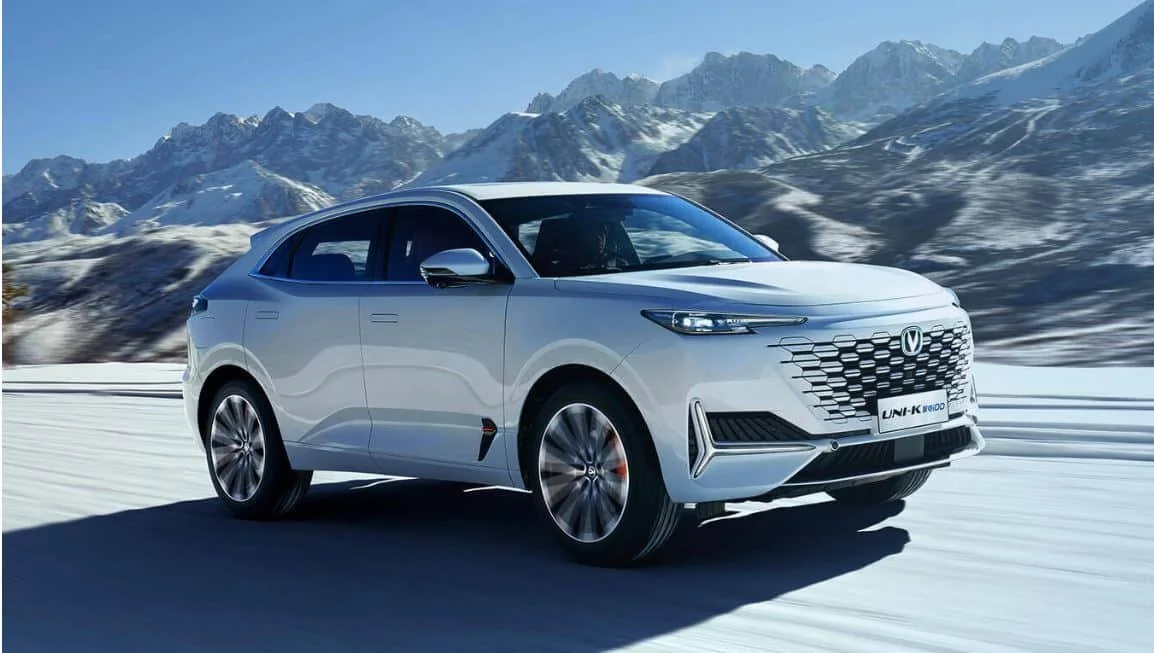
Head-up display. Ventilated seats. A screen the size of a laptop. Lidar on the roof. Four hundred and twenty kilometres of electric range in a plug-in hybrid, before the engine even starts.
In Germany, America, France or Japan, that list is the specification of a top trim - the version the magazines test and almost nobody buys. In China, it is the specification of a car that costs less than a base-spec hatchback.
That single fact is why so many dealers walk through our yard and then walk out again without asking anything. They assume there must be a catch, and they assume the catch is the car. So this article answers the question properly, in three parts. Where the cost advantage actually comes from, using published industry figures rather than adjectives. What each of those features technically is, including the parts that are less impressive than the brochure suggests. And the quality question, answered with the strongest evidence available: Toyota, Mazda, Peugeot, Jeep, Volkswagen and Stellantis have all chosen to build on Chinese platforms or with Chinese powertrains, and said so publicly.
You do not have to take our word for any of it. Most of the figures below were published by the manufacturers themselves.
Where the Price Advantage Actually Comes From
There is a temptation to explain a low price with one dramatic cause. In reality it is six ordinary ones stacked on top of each other, and five of the six are permanent features of the market rather than a temporary discount.
1. Scale that no other market has
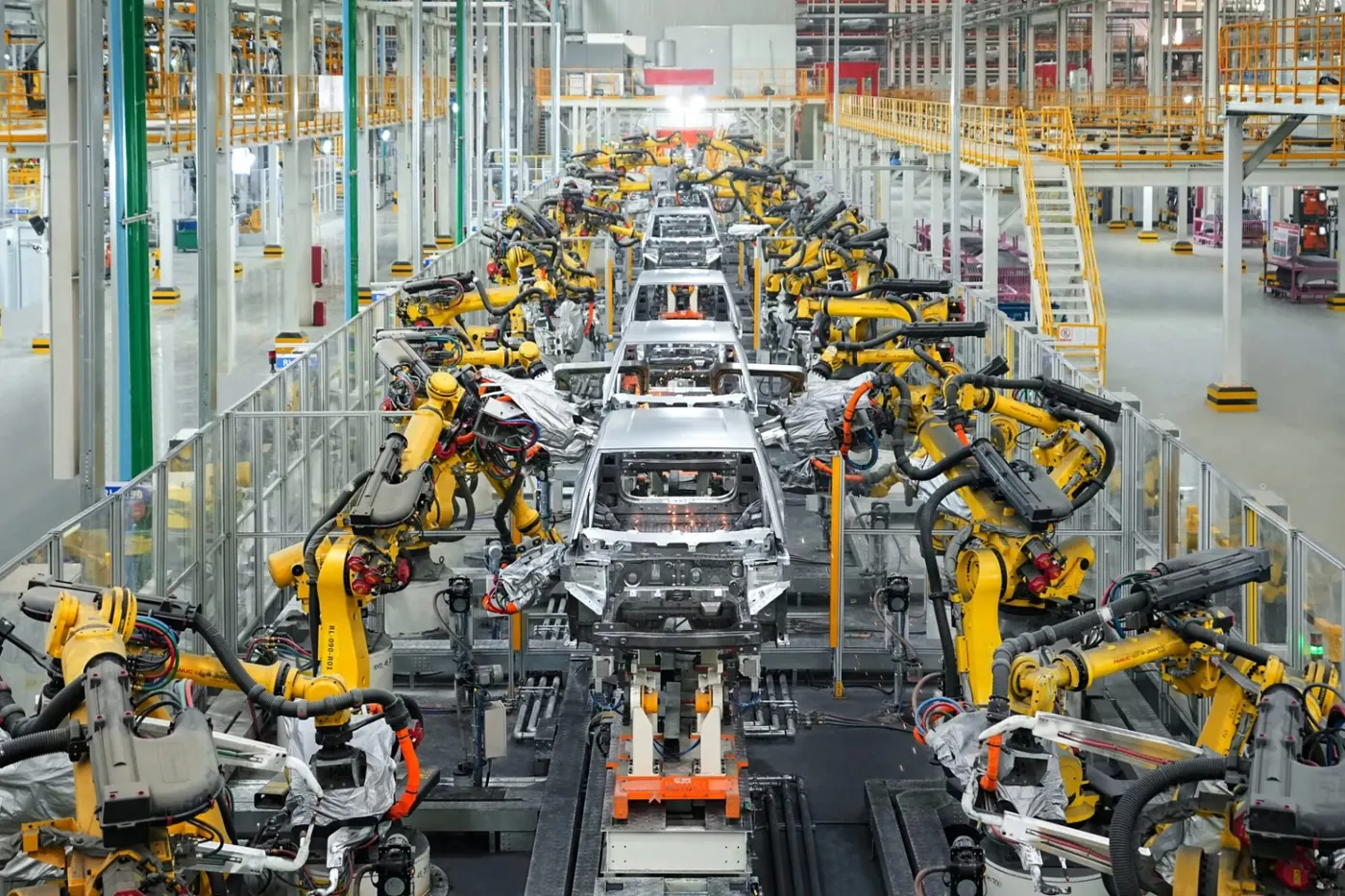
China built 34.53 million vehicles in 2025 and sold 34.4 million, according to the China Association of Automobile Manufacturers. Passenger cars alone accounted for 30.27 million units, which is roughly a third of global vehicle production in a single domestic market. It has been the world's largest market for seventeen consecutive years.
This matters more than it sounds. A stamping die, a casting tool, a wiring harness design and a validation programme all cost roughly the same whether you build fifty thousand cars or five hundred thousand. Spread over the larger number, the per-car cost of every one of those items collapses. When a European or Japanese manufacturer develops a platform for global use, the Chinese version of that same platform is typically amortised over a larger volume than anywhere else it is sold.
2. The battery is the cheapest in the world here
The battery is the single largest cost item in an electric or plug-in hybrid car, so this one line explains a great deal. BloombergNEF's 2025 price survey puts the global average lithium-ion pack at 108 US dollars per kWh. The average in China was 84 dollars. Packs in North America were 44 percent more expensive, and in Europe 56 percent more.
The chemistry split matters too. LFP packs averaged 81 dollars per kWh against 128 dollars for nickel manganese cobalt. Chinese manufacturers settled on LFP early and built the supply chain around it, while most Western brands are only now introducing LFP into their entry-level models. A 60 kWh LFP pack at Chinese prices is a little over five thousand dollars of material. That is the difference between a car with a large battery being affordable and being a luxury item.
3. The supply chain is a truck drive away, not a shipping lane away
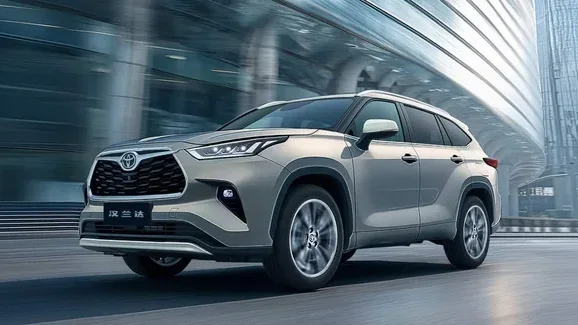
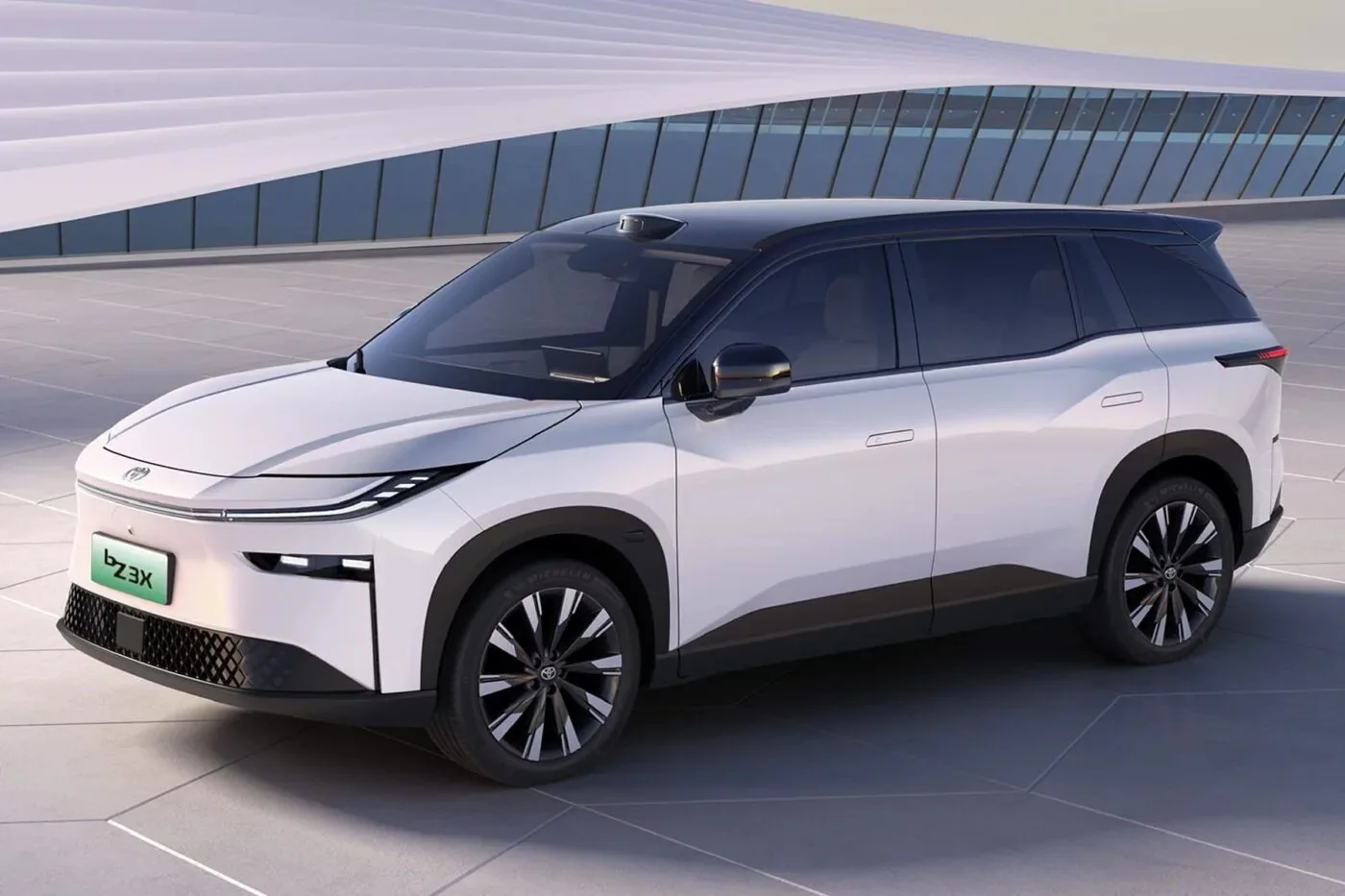
Toyota states that 65 percent of the parts in the bZ3X it builds in Guangzhou come from Chinese suppliers, and that around one percent are imported. That ratio is not unusual for a car built in China. Battery cells, motors, power electronics, displays, cameras, radar and seating can all be sourced within a few hours of the assembly line, which removes freight, removes four to six weeks of inventory in transit, and turns a design change into a phone call instead of a container booking.
4. More than a hundred brands fighting for the same buyers
Chinese-brand passenger cars took 69.5 percent of their home market in 2025, and the number of manufacturers competing for that share runs into the dozens of serious players and over a hundred including smaller ones. When that many companies sell similar products to the same buyers, price is the first weapon and specification is the second. Features get pushed down the range because the alternative is not selling.
This is worth saying plainly because it affects you as a buyer: the equipment level on a Chinese car is partly a result of a price war, not a result of generosity. That does not make the equipment less real. It does mean the margin on it is close to zero, which is exactly why it cannot be matched from a European cost base.
5. The domestic buyer expects it as standard
In Europe, a head-up display is an option. In China, a buyer comparing two cars at the same price will notice immediately if one of them lacks a large central screen, and the sales conversation ends there. The result is that these features are designed into the base car and paid for across the whole production run, instead of being priced as a standalone extra with its own margin. The same component costs less to put in every car than to put in one car out of seven.
6. Shorter model cycles
Chinese manufacturers refresh models faster than the traditional five to seven year cycle, and they design the electronics to be updated rather than replaced. A shorter cycle lowers the cost of carrying old tooling and lets a company move a newer chip or screen into a cheaper car sooner. The trade-off is real and we come back to it later: faster cycles also mean faster depreciation on the earliest examples of a model.
What Each Feature Technically Is
None of this is magic, and understanding the mechanism tells you what to check on the specific car you are considering.
| What the sheet says | What it actually is | What to check |
|---|---|---|
| Head-up display | A projector in the dashboard throwing an image onto a treated section of the windscreen. The large versions are AR-HUDs, which overlay navigation arrows onto the road ahead and need a much more expensive optical unit and a specially shaped windscreen. | Whether it is a simple HUD or an AR-HUD, and whether the windscreen has the special coating. A replacement standard windscreen will blur the projection. |
| Very long hybrid range | An extended-range or plug-in hybrid: a large battery, an electric motor driving the wheels, and a small petrol engine that mostly acts as a generator. The spread across the market is wide. The Mazda EZ-6 EREV uses a 28 kWh LFP battery with a 1.5 litre range extender and about 200 km of CLTC electric range. A Li Auto L9 carries 72.7 kWh for 420 km of electric range and 1,650 km combined. A Zeekr 9X carries 70 kWh for 380 km and 1,250 km combined. Add a fuel tank and the combined figure becomes very large. | The electric-only range on its own, which is the number that decides your daily fuel use. Then the size of the fuel tank, because that is where the rest of the headline range comes from. |
| Large battery | Almost always LFP chemistry: cheaper, more tolerant of being charged to 100 percent daily, longer cycle life, and heavier for the same capacity than nickel-based cells. The weight penalty is accepted in exchange for cost and durability. | Capacity in kWh, chemistry, and the cell supplier. LFP is the right choice in hot climates; it is also the reason the car is heavier than a European equivalent. |
| Automatic parking and highway assist | Level 2 driver assistance. Cameras, radar and often lidar feed a processor that steers, accelerates and brakes within a lane while the driver supervises. The Toyota bZ3X sold in China for 109,800 yuan carries 27 sensors, lidar and a 254 TOPS Nvidia Orin X chip running Momenta software, with hands-off highway driving on mapped routes. | That it is assistance, not autonomy, and that the driver is legally responsible. Then whether the system has been calibrated for your road markings and signs, which is a different matter entirely. |
| Smart cockpit | A Qualcomm Snapdragon 8155 or 8295 class processor running a Chinese operating system with voice control, app integration and over-the-air updates. The hardware is genuinely good and inexpensive; the software ecosystem behind it is Chinese. | Whether your language is supported, whether over-the-air updates will continue in your market, and whether the navigation app works where you drive. |
The clearest evidence that this calibration is local work comes from Tesla. FSD has been sold in China since 2019 at 64,000 yuan, yet China was only listed as a supported region for FSD Supervised on 21 May 2026, as a partial approval, and early versions still turned out of straight-only lanes and drifted into non-motorised lanes. Part of the reason is structural: Chinese rules keep the training data inside the country, while US export controls limit which AI chips reach China. Domestic systems score better at home because they trained on that traffic, and a system tuned for Chinese roads is not automatically tuned for yours.
The Quality Question, and the Evidence Nobody Quotes
This is the part of the conversation where reassurance usually replaces reasoning. So instead of telling you the build quality is fine, here is a list of companies that had to make a commercial decision about it, with engineers, lawyers and a warranty liability on the line.
| Who | What they did | Why it matters |
|---|---|---|
| Toyota | The bZ3X is built by GAC Toyota in Guangzhou on GAC's AEP 3.0 electric architecture, a platform relative of the Aion V, with Chinese LFP cells, Momenta driver assistance and a Chinese software stack. Toyota's own figure is 65 percent Chinese parts. The bZ3 sedan, built by FAW-Toyota, uses BYD Blade LFP cells and BYD electric technology. | The most conservative volume manufacturer in the world, whose reputation rests on durability, put its badge and its warranty on a Chinese platform. It now sells that car in Hong Kong and Macau as a right-hand-drive model. |
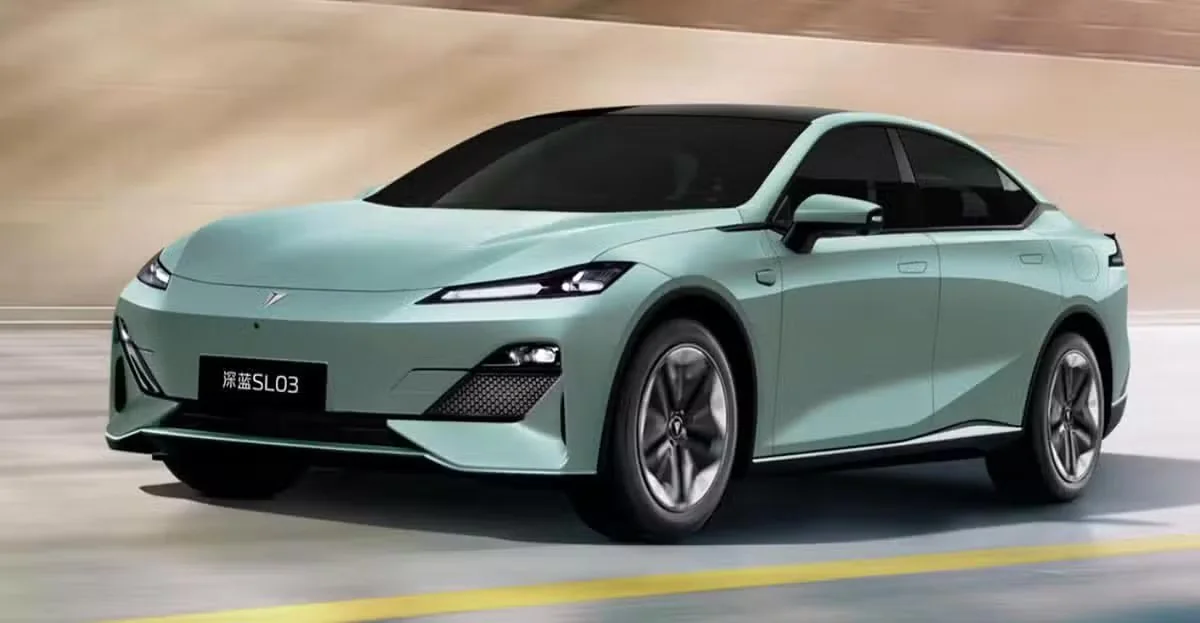
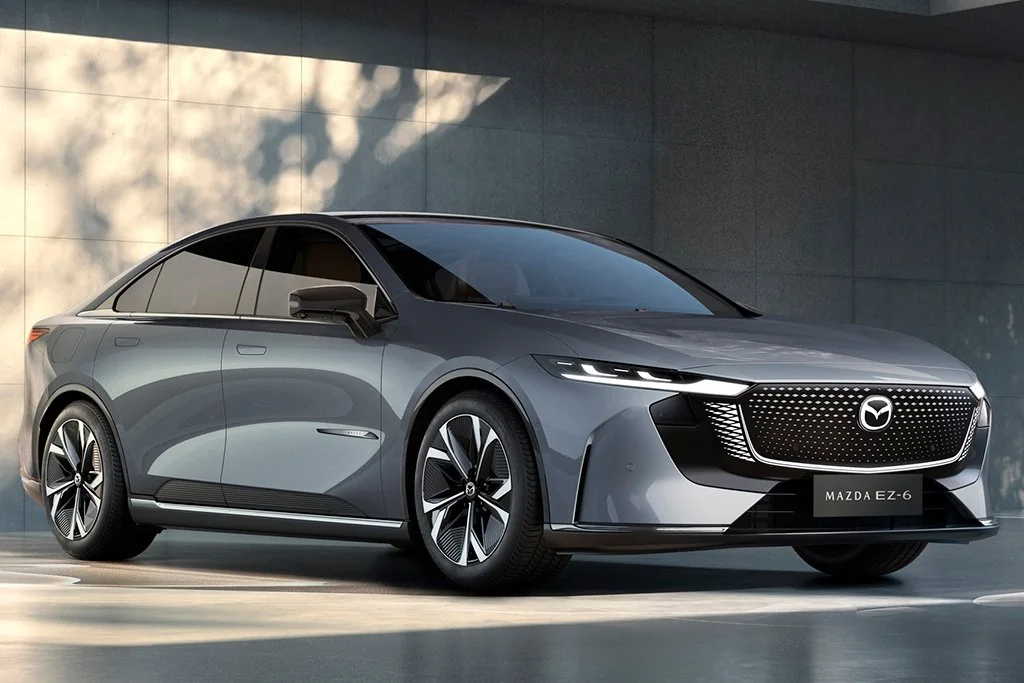
| Mazda | The EZ-6, sold outside China as the Mazda 6e, is built by Changan Mazda in Nanjing on Changan's EPA1 platform. That is not a similar platform or a licensed one - it is the same architecture as the Deepal SL03 and L07, with different bodywork, a different badge and Mazda's own chassis tuning. Chassis tuning was shared between Nanjing, Hiroshima and Mazda's European team. Export sales include Europe, the UK, Australia, Thailand and Indonesia. | Mazda is a small company that cannot afford a bad car. It chose to enter the European electric market on a Chinese platform rather than develop its own, and it ships the result to right-hand-drive markets where recalls are expensive. The car it chose is a Deepal with a different body. |
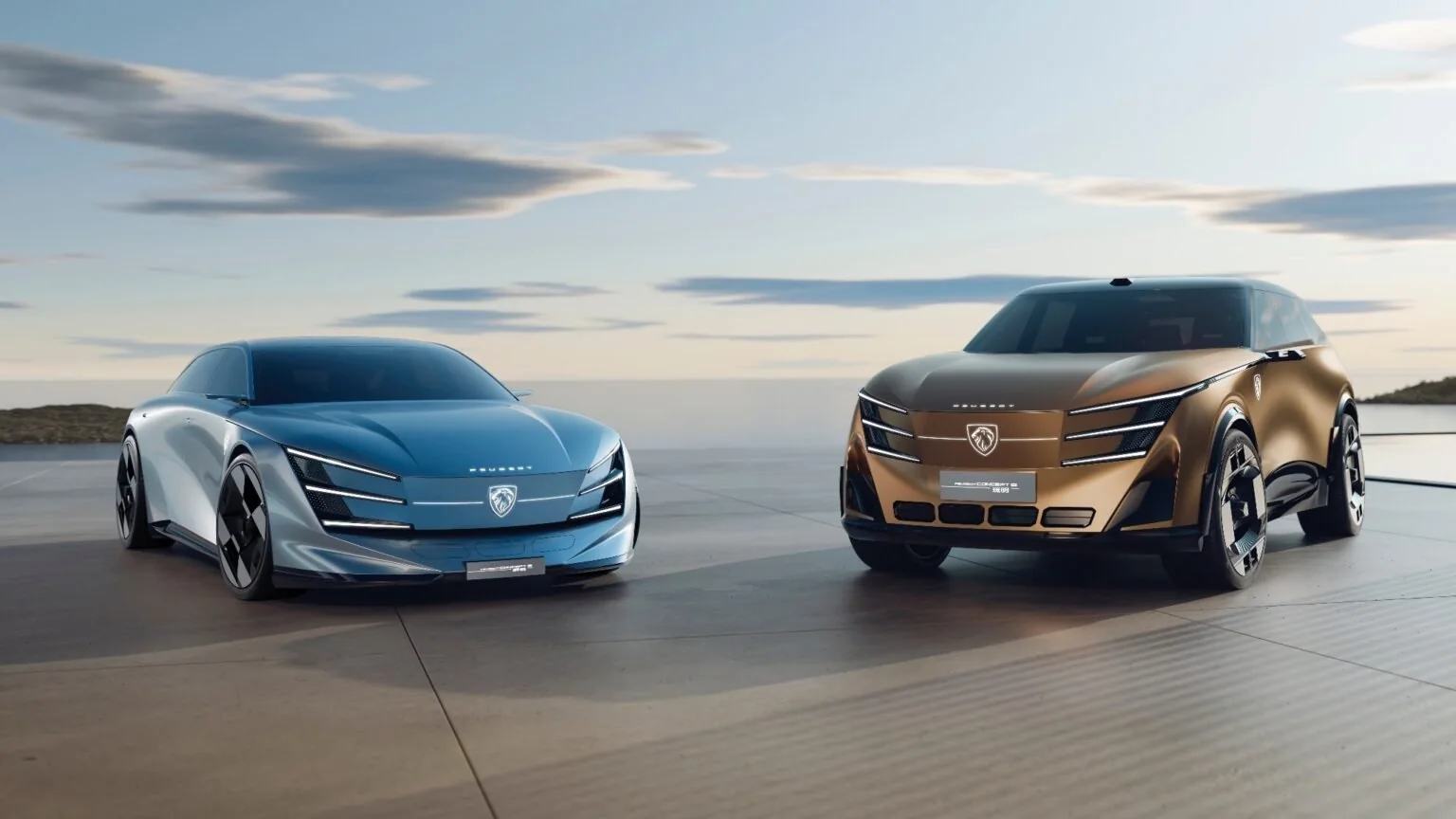
| Peugeot and Jeep | Dongfeng and Stellantis set up DPCA Technology in Wuhan in August 2026 with about 8.2 billion yuan of registered capital, to develop and build two Peugeot and two Jeep new-energy models, battery-electric and plug-in hybrid, from 2027. The intended division of work gives the China-based team the lead on new-energy and intelligent-vehicle development, with distribution through Stellantis worldwide. A driver-assistance partnership with Momenta followed in September 2026. | Two European brands with global dealer networks decided that Chinese engineering would define their next generation of new-energy products, not merely supply parts for them. |
| Volkswagen | Volkswagen invested 700 million US dollars for 4.99 percent of XPeng and is co-developing two Volkswagen-branded electric models on XPeng's platform, with XPeng's driver assistance and cockpit software, plus a shared electrical architecture for Volkswagen's China platform. | The company that invented the mass-market platform strategy concluded its own software and electronics were behind, and bought access to a Chinese one. |
| Stellantis and Leapmotor | Stellantis invested about 1.5 billion euros for roughly a fifth of Leapmotor and formed a joint venture, Leapmotor International, to sell and eventually assemble Leapmotor vehicles outside China, starting with C10 assembly in Malaysia. | A global group is not just buying Chinese cars to resell. It is putting Chinese vehicle technology into its own overseas manufacturing footprint. |
Read that table the way a buyer should read it. None of those decisions were made out of sentiment. Each one was made by an organisation with a brand name worth billions and a legal obligation to repair what it sells for five years or more. They ran their own validation, on their own test tracks, and then committed publicly. That is the closest thing to third-party verification this industry produces, and it is available to anyone who looks.
You can also see it without reading a press release. The Toyota bZ3X is built in Guangzhou. The Mazda 6e is built in Nanjing on the same platform as the Deepal SL03 - one leaves the plant with a Changan badge, the other with a Mazda badge, and only one of them carries a Mazda price in Europe. Both are cars an exporter can put in a container for you.
Why the Same Car Costs Twice as Much in Your Market
There is one more piece of the pricing puzzle, and it is the part that most often gets mistaken for a quality difference.
Consider the Mazda 6e. In China, as the EZ-6, it starts at 150,800 yuan, roughly 22,000 US dollars. In the United Kingdom the same car, built in the same Nanjing factory on the same platform, retails at about 38,995 pounds, roughly 51,000 dollars. More than double.
That gap is not a gap in the car. It is freight, import duty, local homologation and certification, shipping insurance, distributor margin, dealer margin, marketing, warranty provisioning and the cost of holding stock in a country where the car arrives six weeks after it was ordered. Add those layers to any vehicle and the number doubles.
The practical consequence for a dealer reading this: when you buy directly from China you are not buying a cheaper version of the car. You are buying the same car before those layers are added, and taking on the work of adding them yourself. Some of that work is straightforward, some of it requires a competent customs broker, and none of it is a discount on quality.
What Is Still Genuinely Weak
An article that lists only advantages is an advertisement. These are the real weaknesses, and a dealer should price them into the deal.
- Resale value in your market is unproven. A brand nobody has seen before has no used-price history, and buyers discount what they cannot price. You are creating that market, which is an opportunity and also a risk.
- Not every brand will survive. With over a hundred manufacturers competing in a market that is consolidating, some will merge or disappear. Choose brands with real export volume and a parts commitment, not the cheapest badge on the list.
- Driver assistance is tuned for Chinese roads. Line markings, sign formats and driving behaviour differ. A system that works well in Guangdong may be hesitant or overconfident where you are. Test it yourself, at night, before you order fifty units.
- Software and language support lag outside China. Voice control, navigation and app integration are built around the domestic ecosystem. Ask specifically what will and will not work in your country, and get the answer in writing.
- Homologation is your problem, not the factory's. A Chinese-market specification may not be legal where you sell: lighting, tyres, emissions, child-seat anchors and labelling all vary. Confirm before the container is booked, not after it lands.
- Warranty is only as good as the importer behind it. The factory warranty on a container of cars is a promise made by whoever answers your message in year two. This is the single most underrated risk in the trade.
How to Check a Specific Car
Arguments about national origin are not productive. Checking one car is. Five questions settle most of it.
Every one of those questions can be answered in writing before money moves. A supplier who cannot answer them is telling you something useful.
The Short Version
- The price comes from structure, not subsidy. 30.27 million passenger cars built in one market, the world's cheapest battery packs at an average of 84 dollars per kWh, a parts supply chain within a few hours of the line, and more than a hundred brands competing for the same buyers.
- The features are real, and so are their limits. An AR-HUD is a genuine optical unit, not a sticker. 420 km of electric range in a plug-in hybrid is a real number on a test cycle that flatters it. Level 2 assistance is assistance, and the driver is responsible, and driving it well takes local calibration - Tesla's FSD was still only partially approved in China seven years after it went on sale there.
- The quality argument has already been settled by companies with a lot to lose. Toyota builds the bZ3X on GAC's platform with 65 percent Chinese parts. Mazda builds the 6e on Changan's EPA1 platform and sells it in Europe and Australia. Dongfeng and Stellantis are developing the next Peugeot and Jeep new-energy models in Wuhan. Volkswagen bought into XPeng. Stellantis bought into Leapmotor.
- The China-versus-abroad price gap is freight, duty, certification and margin. The same Mazda 6e is roughly 22,000 dollars in China and about 51,000 dollars in the UK.
- The real risks are resale value, brand survival, localisation and homologation. Price them in, and buy from a brand with export volume and a parts commitment.
Frequently Asked Questions
Why are Chinese cars so much cheaper than Japanese or European cars?
Six structural reasons rather than one: scale (30.27 million passenger cars built in 2025), the world's lowest battery pack prices at an average of 84 dollars per kWh against 108 dollars globally, a parts supply chain concentrated within hours of the assembly line, more than a hundred domestic brands competing on price, a domestic buying public that expects large screens and driver assistance as standard, and short model cycles. None of these is a subsidy for foreign buyers, and none is a quality shortcut.
Does a low price mean Chinese cars are lower quality?
The available evidence points the other way for the major brands. Toyota states that 65 percent of the parts in its Guangzhou-built bZ3X are Chinese. Mazda sells a Changan-platform car across Europe and Australia. Stellantis set up a Wuhan joint company with Dongfeng to develop its next Peugeot and Jeep new-energy models. Companies with a warranty obligation do not make those decisions casually.
Do Toyota, Mazda and Peugeot really use Chinese platforms?
Yes. The bZ3X uses GAC's AEP 3.0 architecture and is related to the Aion V. The Mazda 6e uses Changan's EPA1 platform, shared with the Deepal SL03 and L07. The Toyota bZ3 uses BYD cells and electric technology. Peugeot and Jeep new-energy models developed by DPCA Technology in Wuhan are planned for production from 2027 and global distribution through Stellantis.
Is a 1,000 km range on a Chinese hybrid real?
The mechanism is real, the number needs context. Extended-range and plug-in hybrids combine a large battery with a small petrol engine: a Li Auto L9 quotes 420 km of electric range and 1,650 km combined, a Zeekr 9X quotes 380 km and 1,250 km, and a Mazda EZ-6 EREV with a much smaller 28 kWh battery quotes about 200 km. All of those are measured on China's CLTC cycle, which is more generous than WLTP or EPA. Use the electric-only range for your daily cost calculation and treat the combined figure as a comparison tool between cars.
Is the driver assistance on Chinese cars actually self-driving, and how good is it?
No. These are Level 2 driver assistance systems, including hands-off highway driving on some models, and the driver remains responsible. What has changed is cost: a bZ3X at 109,800 yuan in China carries lidar, 27 sensors and a 254 TOPS processor. That hardware used to sit only in cars several times the price. One measure of how hard local adaptation is: Tesla has sold FSD in China since 2019 at 64,000 yuan, yet China was only listed as a supported region for FSD Supervised on 21 May 2026, as a partial approval, and early versions still turned out of straight-only lanes and drifted into non-motorised lanes. Domestic systems score better at home because they trained on that traffic. That is also why you should test any system on your own roads rather than trust the badge.
What should I check before importing a Chinese car?
Which platform the car uses and whether a sibling is already sold under a global badge in your region; the battery chemistry and cell supplier; whether the Chinese specification is legal in your country; how the driver assistance behaves at night on your roads; and what consumable parts cost and how fast they arrive. Then start with a small order and build from there.
Come and Look at the Cars, Not the Brochure
Leo Car Export (Zhongqi Auto Overseas) runs a licensed vehicle export operation from our yard in Liaobu, Dongguan, with containers loaded at Nansha Port, 40 minutes away. We supply dealers across Nigeria, Ghana, Cameroon, Togo, Niger, DR Congo and Gabon, from brands including BYD, Changan, Jetour, GAC, Toyota, Geely and Chery, with a high proportion of hybrid and electric stock. Our team brings 25 years of Chinese automotive trade and 8 years of export operations, and our advantage is direct factory-channel sourcing, which is what makes wholesale pricing possible. Tell us the models you actually sell, and we will tell you which specifications move in your market and send the numbers in writing.
Ask for the stock list and terms →Figures in this article are drawn from: China Association of Automobile Manufacturers 2025 production and sales data (reported January 2026); BloombergNEF Lithium-Ion Battery Price Survey 2025 (published December 2025); Toyota and GAC Toyota bZ3X product and parts-sourcing disclosures; Mazda and Changan Mazda 6e / EZ-6 specification and pricing disclosures; Dongfeng and Stellantis announcements on DPCA Technology (Wuhan), August 2026; Volkswagen Group and XPeng technical cooperation; Stellantis and Leapmotor joint venture announcements. Written by William Gu, Export Operations Manager, Leo Car Export.